


In the modern kitchen, lighting is no longer a finishing touch or an afterthought. It is a defining element of the space itself. A thoughtfully lit kitchen doesn't rely on a single overhead fixture or decorative focal point. Instead, it is built through layers, each one serving a purpose and contributing to the overall experience. The most effective lighting plans follow a clear, scalable philosophy: begin with what is essential, then build intentionally. Each added layer improves function, enhances design, and elevates the atmosphere. At its most advanced, this approach creates the fully illuminated kitchen — where light is seamlessly integrated into every surface, storage zone, and daily interaction.
Build a Strong Foundation: Undercabinet Lighting
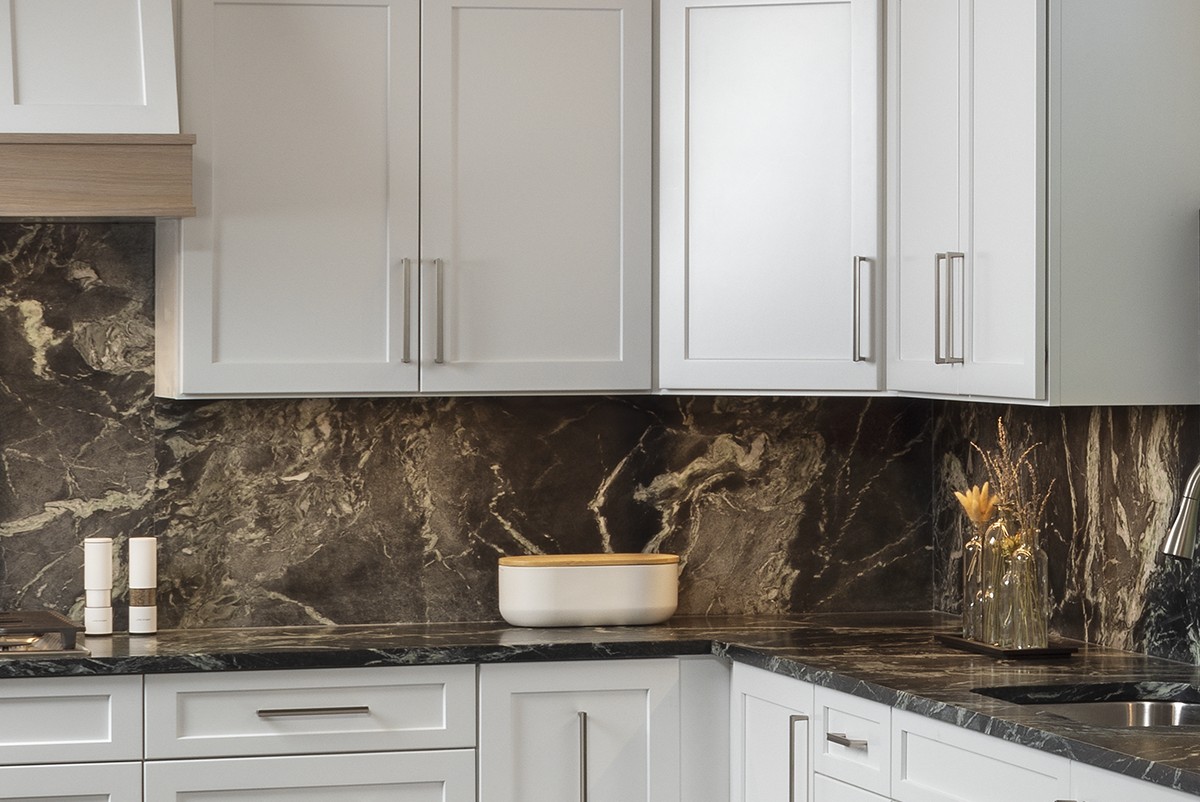
An exceptional kitchen lighting plan starts at the countertop. Undercabinet lighting is the functional core of the space to achieve shadow-free illumination exactly where critical tasks happen. Unlike overhead lighting, which can cast shadows on the work surface, undercabinet lighting delivers uninhibited illumination to the work surface evenly and clearly.
This layer is foundational not only because of its performance, but because of how it transforms a space. With the right color temperature, undercabinet lighting highlights materials, brings out texture in backsplashes, and immediately elevates the space. Even in the simplest kitchen, undercabinet lighting creates a sense of intention. It makes the space feel complete.
Häfele strives to create easy to understand solutions, which is why we offer complete tunable light bars specifically for under cabinets, which can be surface mounted or recessed. For many projects, this single upgrade dramatically improves both functionality and aesthetics. But it also sets the stage to expand the design with layers of dimension and drama.
Illuminated from Within: Interior Cabinet Lighting
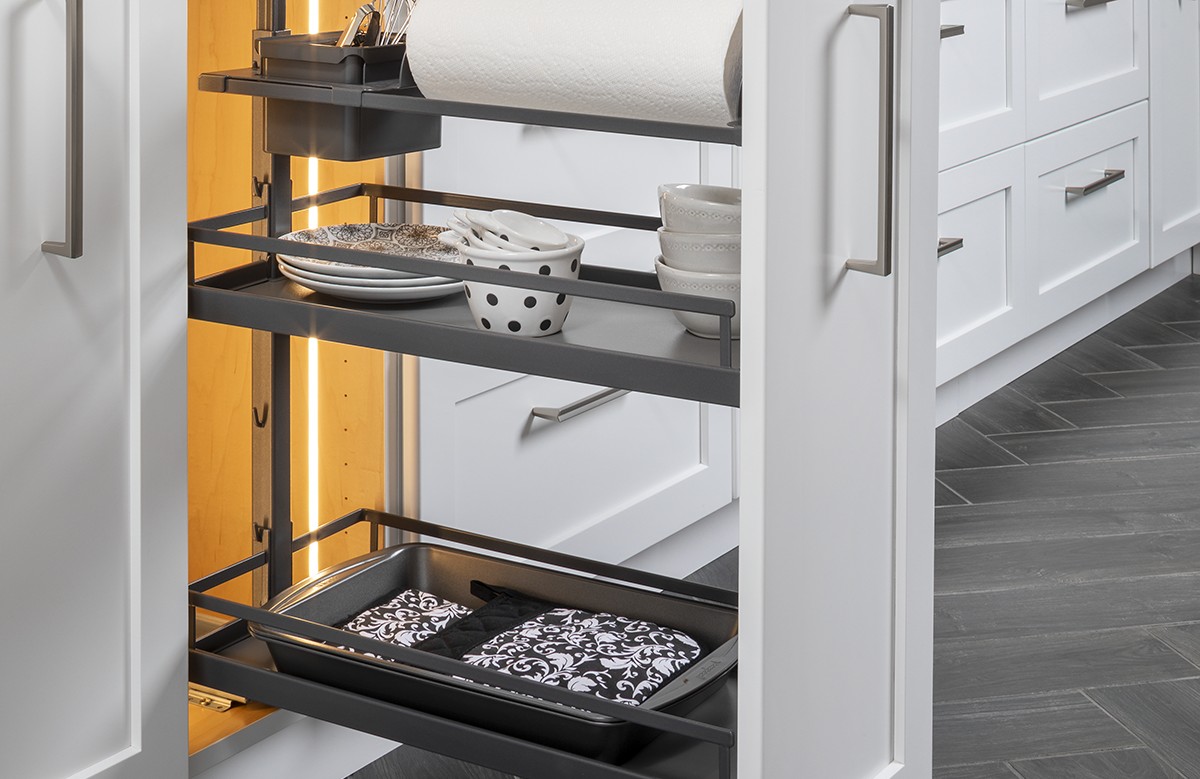
The next step is to bring light inside the cabinetry. Interior cabinet lighting introduces a new level of functionality and refinement, making storage more accessible and intuitive.
Adjustable shelf lighting is an innovative solution to bring lighting to a cabinet in an elegant, simple way. Install the specially designed brushed aluminum bus bars into a narrow vertical channel on each side panel of the cabinet, then when the spring-loaded contact on the shelf makes its connection, the light bar shines.
As lighting becomes more intentional, attention shifts to areas that are traditionally overlooked, such as blind corners and deep cabinets. Lighting these zones enhances usability while also creating visual continuity. In these cabinets, instead of using shelf lighting, try integrating light bars vertically along the sides of the cabinet. Our Slim6 light ribbons are perfect for recessed applications that only need to be 6 mm deep. No part of the kitchen feels like an afterthought.
When cabinets illuminate upon opening, the kitchen responds to the user in a way that feels seamless and considered. We achieve this by utilizing magnetic reed switches. When the magnet is more than 1" away, the light turns on automatically. Everyday tasks become easier, and the experience of using the space becomes more intuitive.
Adding interior cabinet lighting as a layer in your kitchen design reinforces the perception of quality in the space. A kitchen that is illuminated both externally and internally feels complete, intentional and thoughtful.
Newest Innovation for Illumination: Drawer Lighting
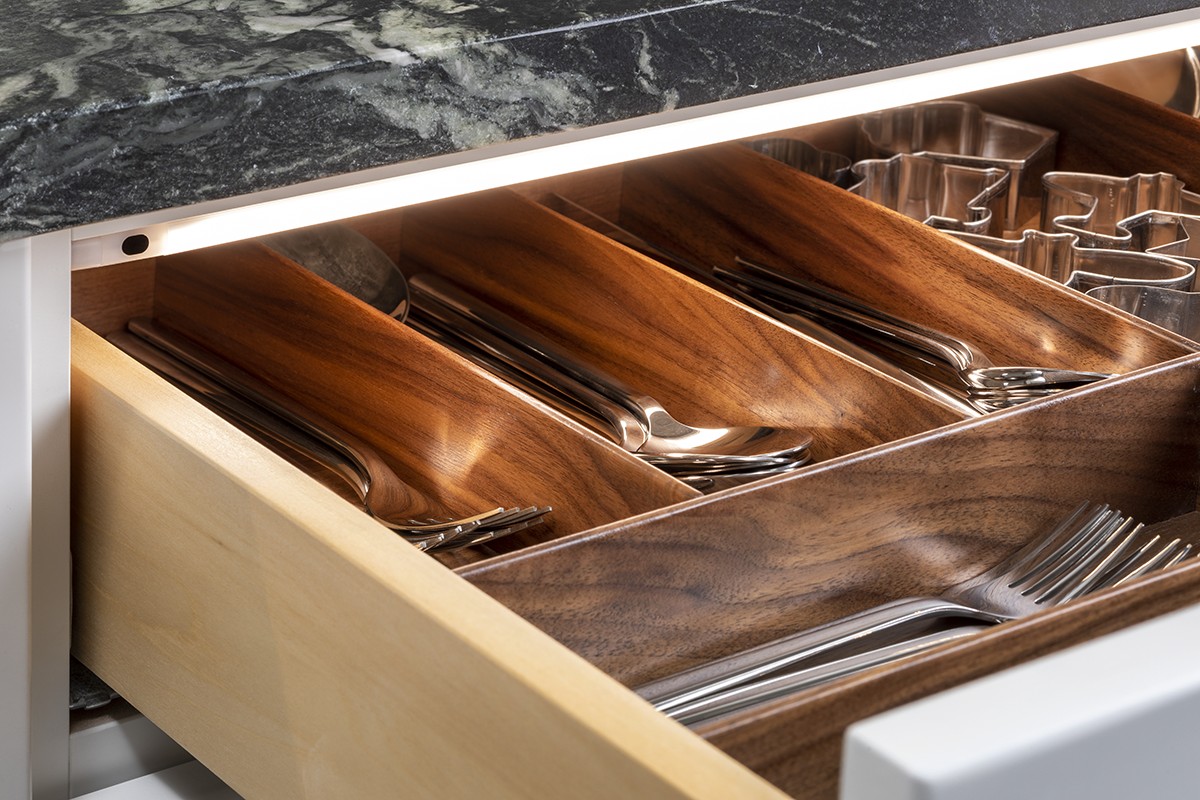
While it might not be the first area in a kitchen you think to illuminate, drawers deserve lighting too. Drawer lighting represents a higher level of precision in kitchen design. While subtle, it has a meaningful impact on how the space functions day to day; improving visibility and supporting easy organization.
While lit drawers are not yet common across all kitchens, Häfele took the time to develop a product that is easy to install and easy to adopt across any design: the discreet Universal Drawer Light. It utilizes a tunable ribbon allowing you to choose the perfect color temperature and incorporates a sensor, which turns the light on and off without an extra switch. This is where lighting transitions from something just seen to something felt. Every interaction is supported. Every movement is considered. The kitchen becomes not only beautiful, but highly functional.
Add Dimension: Accent Lighting
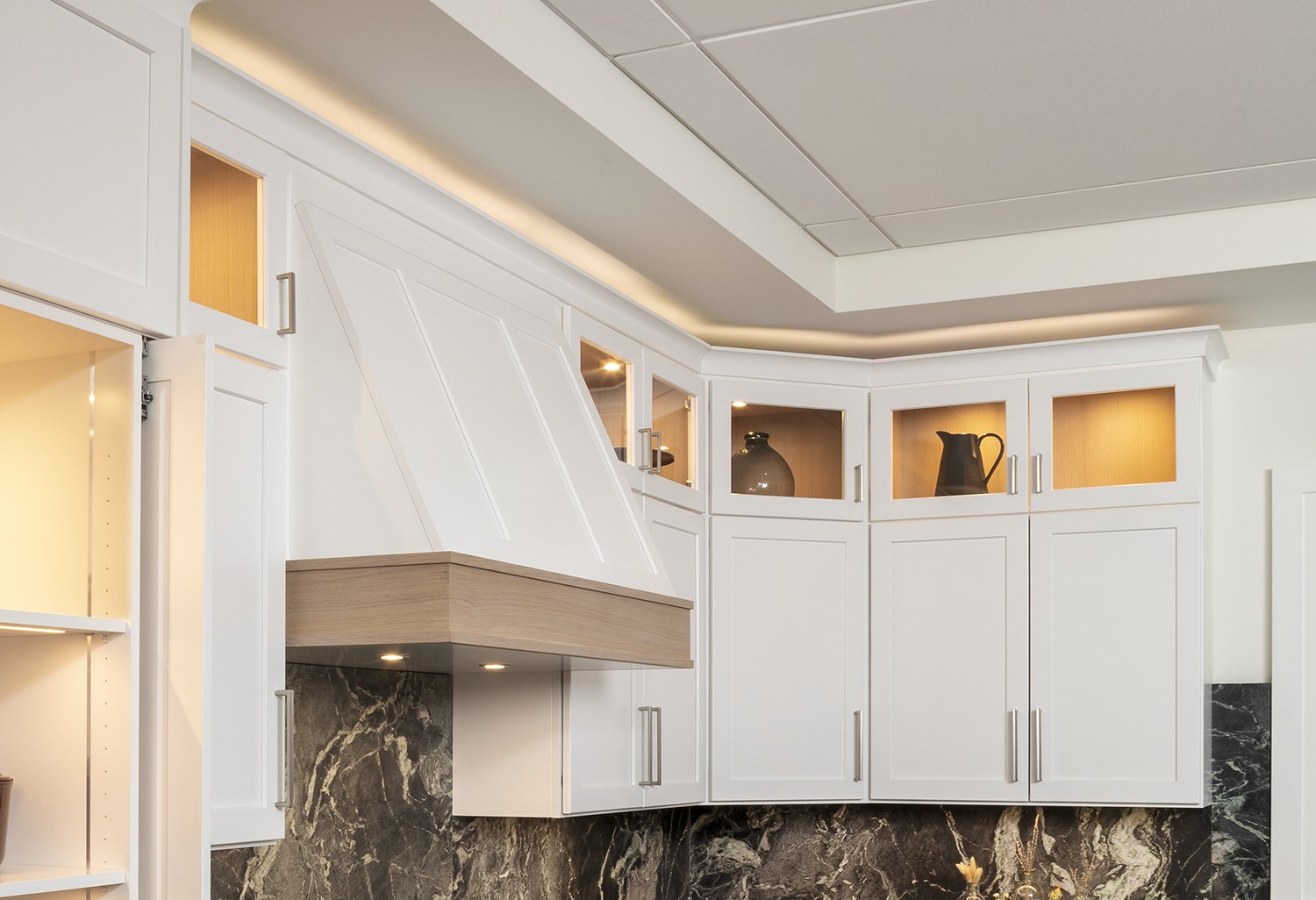
Once the functional layer is in place, accent lighting introduces depth. This is when the kitchen moves beyond utility and into experience.
Accent lighting highlights architectural details and adds subtle contrast throughout the space. Whether it's toe-kick lighting that creates a floating effect, or light above cabinetry that softens the perimeter, these elements prevent the kitchen from feeling flat or overly uniform.
When the kitchen incorporates glass front cabinets, the addition of lighting can be a showstopper. A simple puck light can create a spotlight for designer accessories or antique China. Interiors become display-worthy, showcasing the contents while also adding a soft glow that enhances the entire room.
The accent layer is about visual balance. It draws the eye and creates rhythm across the space, allowing the kitchen to feel more dynamic and thoughtfully designed. The environment becomes more comfortable, inviting, and aligned with how people actually live in the space.
The Ultimate Expression: The Fully Illuminated Kitchen
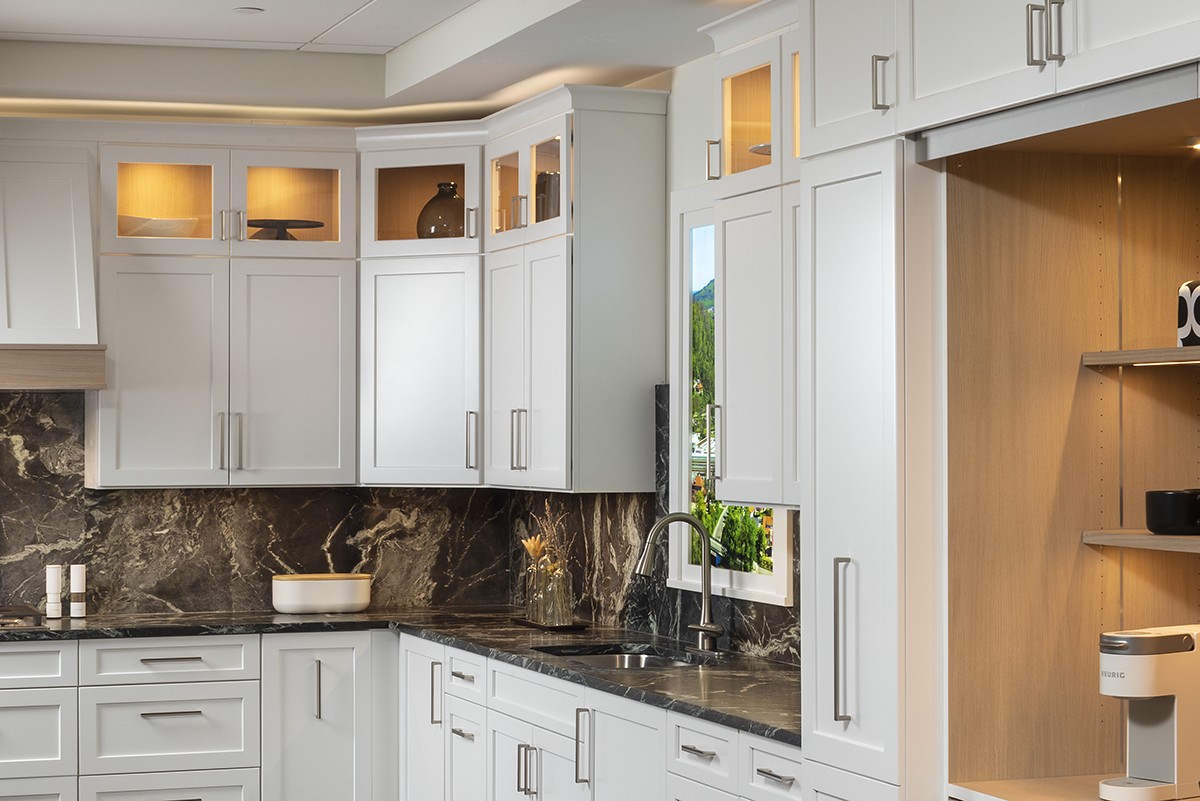
At its most advanced, layered lighting evolves into a fully illuminated kitchen. In this environment, light is seamlessly integrated across all zones — task areas, storage, focal points, and ambiance — working together as a cohesive system.
There are no dark corners, no disconnected spaces, and no reliance on a single source of light. Instead, illumination is distributed and intentional, revealing the full depth of the design while supporting every function.
This approach creates a kitchen that adapts effortlessly. Bright, focused under cabinet light supports cooking and preparation. Softer up lighting and spotlights behind glass doors create a warm and inviting atmosphere for gathering. The same space can shift from highly functional to highly ambient with ease.
A Scalable Approach for Any Project
One of the most powerful aspects of this layered philosophy is its flexibility. Not every kitchen needs to reach full illumination from the outset. Instead, the approach is inherently scalable.
A project can begin with undercabinet lighting and immediately improve both a kitchen's aesthetic and the functional experience. From there, additional layers can be introduced over time, from interior adjustable shelf lighting to spotlights, to up lighting, each one building on the last.
This makes the concept accessible for a wide range of projects and skill levels. Installers can implement solutions in phases. Designers can tailor lighting plans to fit budgets while still delivering meaningful impact. Homeowners can invest incrementally, knowing that each addition contributes to a cohesive end goal.
Designing for Function, Mood, and Aesthetic
At its core, layered lighting is about control — over how a kitchen works, how it feels, and how it is experienced throughout the day.
It allows designers to shape not just visibility, but mood and movement. A well-lit kitchen guides the eye, supports the task at hand, and creates an environment that feels both functional and beautiful. The fully illuminated kitchen is the natural result of this philosophy: a space where every layer works in harmony, and no detail is left in the dark.
This article was originally published by Kitchen & Bath Design News on June 3, 2026, written by Tim Steingraber. Read the full original article for additional details.
Ready to Transform Your Kitchen Remodeling?
Our licensed remodeling team delivers premium results with free estimates and 3D design.